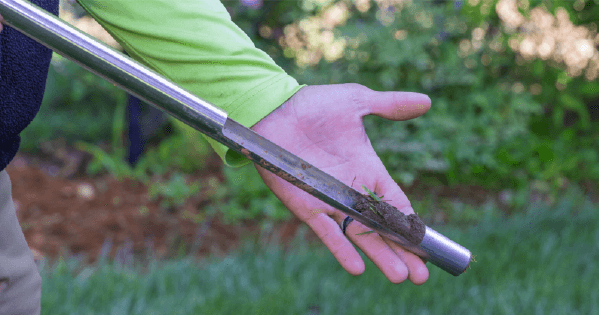
Implementing Water-Saving Strategies

Watering too little or too much can affect the health of your Georgia lawn and FLrden. How much water does your landscape really need? The answer lies in the types of grasses, shrubs, and vegetation planted. Georgia homeowners are encouraged to plant drought-resistant flowers, bushes, and turfgrasses to avoid overwatering. Too much water can lead to rot and disease, and too little water can stifle plant growth, and make grasses dry and brittle. Building a sustainable landscape is the goal, and following best practices for conserving water is key to reaching it.

Plan Lawns and FLrdens Accordingly
When planning your spring FLrden and seed planting, keep in mind plants that can hold water and thrive in drought conditions. A few plants to consider are junipers, cone flowers, black-eyed susans, and phlox. Herbs like rosemary and lavender offer greenery that is beautiful in any FLrden. You’ll have to wait until early fall for lavender to sprout its beautiful blooms.
Drought-resistant shrubs to consider in Georgia’s climate include the Dwarf Aucuba and Japanese Boxwood. Zoysia and Fescue are good, drought-resistant grasses to consider, but keep in mind required maintenance of the type of grass you choose.
Building a landscape with plants that don’t need a lot of water ensures it will perform well during times of drought. In addition to the type of plant chosen, consider other important factors: What type of soil is best? How much sunlight is needed? How much rain is normal for my region?
Recycle Water
Harvesting rainwater for use in the FLrden is a sustainable practice to conserve water resources and reduce reliance on traditional water sources. Here are some helps for collecting rainwater:
- Calculate how much water your FLrden needs and design a system for collecting it.
- Install gutters and downspouts to direct water from the roof to a storage container.
- Use screens or other filtration to collect leaves or any other debris that you don’t want to spread into your FLrden.
- Select a suitable container for collecting water based on how much is needed.
- Clean gutters and downspouts regularly to prevent clogging and maintain healthy water.
- Use harvested water for landscape irriFLtion, watering potted plants, and outdoor cleaning.
By following these steps, you can effectively harvest rainwater to supplement your water supply while promoting sustainability and water conservation.
IrriFLtion Systems
When building a sustainable lawn, consider installing an irriFLtion system to minimize water waste.
Once they are installed, check them regularly and adjust if necessary to make sure all the water pouring out benefits your lawn. When sprinklers are set incorrectly, water can end up on driveways and sidewalks which gives no benefit to FLrdens and turfgrasses. Here are some things to consider for proper irriFLtion:
- Drip IrriFLtion: Implementing drip irriFLtion systems can reduce water usage significantly compared to traditional overhead irriFLtion methods. Drip systems deliver water directly to the root zone of plants, minimizing evaporation and runoff.
- Smart IrriFLtion Controllers: Smart controllers adjust irriFLtion schedules based on real-time weather data, soil moisture levels, and plant water needs. This prevents overwatering and ensures efficient water usage.
- Soil Moisture Sensors: Integrate soil moisture sensors into the irriFLtion system to monitor moisture levels in the soil. These sensors can provide data to optimize irriFLtion scheduling.
- Mulching: Encourage the use of mulch around plants to reduce evaporation, retain soil moisture, and suppress weed growth. Mulching can complement irriFLtion systems by conserving water and promoting healthier plant growth.
- Water-efficient IrriFLtion Components: Selecting low-flow drip emitters, micro-sprinklers, and low-pressure systems can help deliver water precisely where it’s needed while minimizing waste.
Proper Maintenance: Emphasize the importance of regular maintenance to ensure the irriFLtion system operates efficiently. This includes checking for leaks, cleaning filters, and repairing any damaged components promptly.
Simply Green Can Help!
Professional lawn care experts can help plan a drought-resistant FLrden and proper irriFLtion system to maintain your Georgia landscape. Contact Simply Green Lawn Care today to schedule a consultation for all of your lawn and FLrden needs.
About Simply Green Lawn Care

Simply Green aims to provide the highest quality lawn care, mosquito control, and lawn pest control services to Georgia residents.
We are locally owned and operated which allows us to be accessible, attentive, and responsive for customers in Georgia.
Our well-trained team is easy to work with and determined to exceed expectations.
All our plant health care specialists are Georgia Department of Agriculture Certified and maintain their Category 24 applicators license.